
colored laminated glass
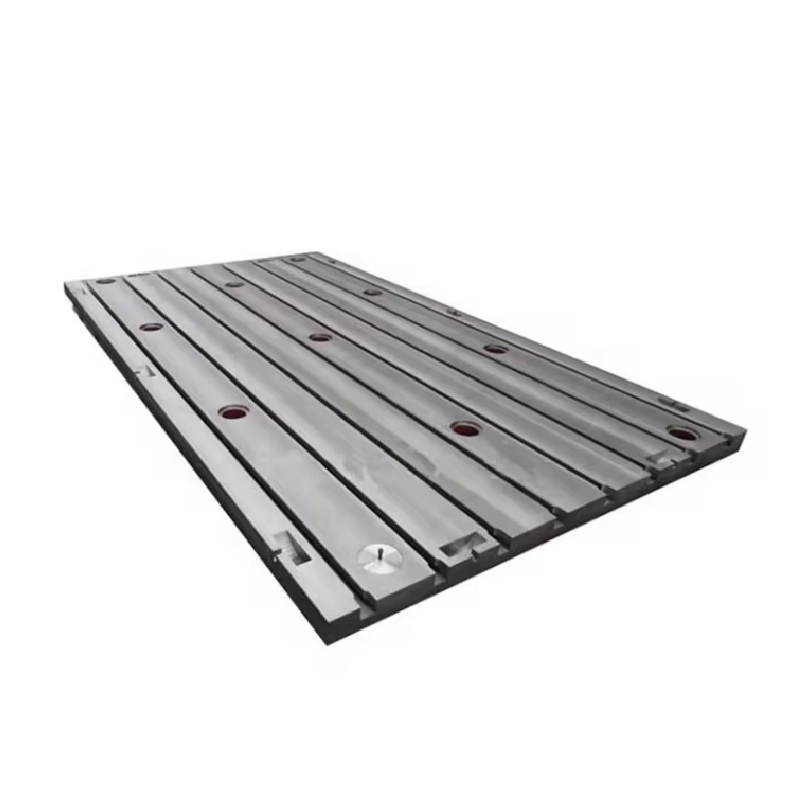
Understanding Industrial Vibration Pads A Comprehensive Overview In various industrial and manufacturing settings, vibration control is essential for maintaining equipment integrity and ensuring smooth operations. One effective way to mitigate excessive vibrations is through the use of industrial vibration pads. These pads serve as a crucial component in supporting machinery, minimizing vibrations, and enhancing overall productivity. What Are Industrial Vibration Pads? Industrial vibration pads are specialized materials designed to absorb and dampen vibrations produced by machinery and equipment. They are typically made from materials that exhibit excellent vibration-damping properties, such as rubber, neoprene, or polyurethane. These materials are engineered to provide a resilient support base that alleviates the impact of vibrations on structures and personnel. Types of Vibration Pads Vibration pads come in various shapes, sizes, and materials, each suited to specific applications. Here are a few common types 1. Rubber Vibration Pads Known for their elasticity and durability, rubber vibration pads are widely used in industrial settings. They effectively absorb shocks and reduce noise levels, making them ideal for heavy machinery and equipment. 2. Neoprene Pads Neoprene is a synthetic rubber that offers excellent weather resistance and chemical stability. Neoprene vibration pads are often used in environments where exposure to oils, solvents, or temperature fluctuations is common. 3. Polyurethane Pads These pads provide a higher load-bearing capacity and are suitable for heavy-duty applications. Polyurethane pads are resistant to abrasion and wear, making them an ideal choice in demanding industrial environments. 4. Foam Pads Although less durable than rubber or neoprene, foam pads can be effective for lighter machinery and applications where limited vibration control is needed . Benefits of Using Vibration Pads 1. Enhanced Equipment Longevity By absorbing vibrations, these pads reduce wear and tear on machinery, leading to prolonged operational life. This proactive approach to maintenance can save organizations significant money in repair and replacement costs over time. industrial vibration pads 2. Noise Reduction Excessive vibrations often result in high noise levels, which can lead to uncomfortable working conditions. Vibration pads help to dampen sound transmission, creating a quieter and more conducive work environment. 3. Improved Worker Safety High levels of vibration can pose health risks to workers, including musculoskeletal disorders. By using vibration pads, companies can create safer working conditions that minimize the risk of injury. 4. Operational Efficiency Machines that operate smoothly without excessive vibration tend to perform better, providing higher efficiency and productivity levels. This contributes to optimized workflows and improved overall performance. How to Select the Right Vibration Pad Choosing the right vibration pad involves considering several factors, including - Load Capacity Ensure the pad can support the weight of the machinery and any dynamic loads that may occur during operation. - Frequency Identify the frequency of the vibrations that need to be controlled. Different materials and designs are better suited for specific vibration frequencies. - Environmental Conditions Consider factors such as temperature, exposure to chemicals, and moisture levels to select a pad that will perform optimally in the given environment. - Size and Shape The pad must fit the footprint of the equipment for maximum effectiveness. Custom-sized pads may be necessary for unique machinery designs. Conclusion Industrial vibration pads are an indispensable tool in the realm of vibration control within manufacturing and industrial environments. By effectively absorbing vibrations and reducing noise, these pads contribute to equipment longevity, enhanced workplace safety, and improved operational efficiency. As industries continue to prioritize productivity and safety, the role of vibration pads will undoubtedly become increasingly prominent. Understanding the types and benefits of these pads allows organizations to make informed decisions that support their operational goals while fostering a safer, more efficient working environment.
about
colored laminated glass
Understanding the Spirit Level Meter A Guide to Precision in Measurement A spirit level meter, also known simply as a level, is an essential tool used in construction, carpentry, and various engineering fields. Its primary purpose is to determine whether a surface is horizontal (level) or vertical (plumb). While this may sound straightforward, the applications of a spirit level can be quite complex, and understanding its mechanics and uses can greatly enhance the accuracy and quality of any project. The Mechanics Behind a Spirit Level Meter At the heart of a spirit level is a simple yet ingenious mechanism. The device consists of a sealed vial filled with liquid (usually alcohol or another colored fluid) and an air bubble. The vial is typically curved, which allows the bubble to rise to the highest point within the curvature. When the spirit level is placed on a surface, the position of the bubble indicates whether that surface is level. - Level Surface If the bubble is centered between the marked lines on the vial, the surface is perfectly horizontal. - Plumb Surface When the spirit level is used vertically, the same principle applies. If the bubble settles in the middle, then the surface is perfectly vertical. Types of Spirit Levels Spirit level meters come in various types to suit different needs. The most common types include 1. A-frame or Carpenter's Level This is the standard form and often features multiple vials, allowing for both horizontal and vertical measurements. 2. Torpedo Level Smaller and more compact, torpedo levels are ideal for working in tight spaces. They are often constructed with a magnet to secure themselves to metal surfaces. 3. Digital Level This modern variant uses electronic sensors to provide a digital readout of the angle, often enhancing accuracy and ease of use. Some digital levels feature additional functionalities such as angle measurement. spirit level meter 4. Laser Level A more advanced instrument, laser levels project a beam of light onto surfaces, creating a level line over long distances. This is especially useful for large projects where traditional levels might not work as effectively. Applications of Spirit Level Meters Spirit levels are indispensable across a multitude of applications, including construction, carpentry, and interior design . They are utilized when - Installing cabinets or shelves Ensuring these items are level helps maintain a professional appearance and supports optimal functionality. - Laying tiles An even floor or wall surface is crucial for aesthetic and practical purposes. Using a level meter during installation can prevent future cracking or uneven surfaces. - Framing and structural work Properly aligned frames are essential to the integrity and durability of buildings and other structures. - Landscaping Levels can assist in creating a balanced outdoor space, from patios to garden beds. Conclusion The spirit level meter remains a fundamental tool in ensuring precision in various trades and professions. Its simple design belies its effectiveness, and mastering its use can significantly improve the quality of work, from homes to commercial buildings. Investing in a reliable spirit level, whether it's a traditional model or a modern digital variant, is essential for anyone seeking to achieve accuracy in their projects. As technology advances, the spirit level will continue to adapt, but its core purpose—ensuring that our constructions stand straight and true—will always remain vital.
-

High quality industrial productsagement

High quality industrial products
View Details -

Meet the diverse needs of customers

Meet the diverse needs of customers
View Details -

Strict quality control

Strict quality control
View Details -

Top raw materials

Top raw materials
View Details -

Trusted supplier

Trusted supplier
View Details
Our application


news and information
Valve de 3 pouces
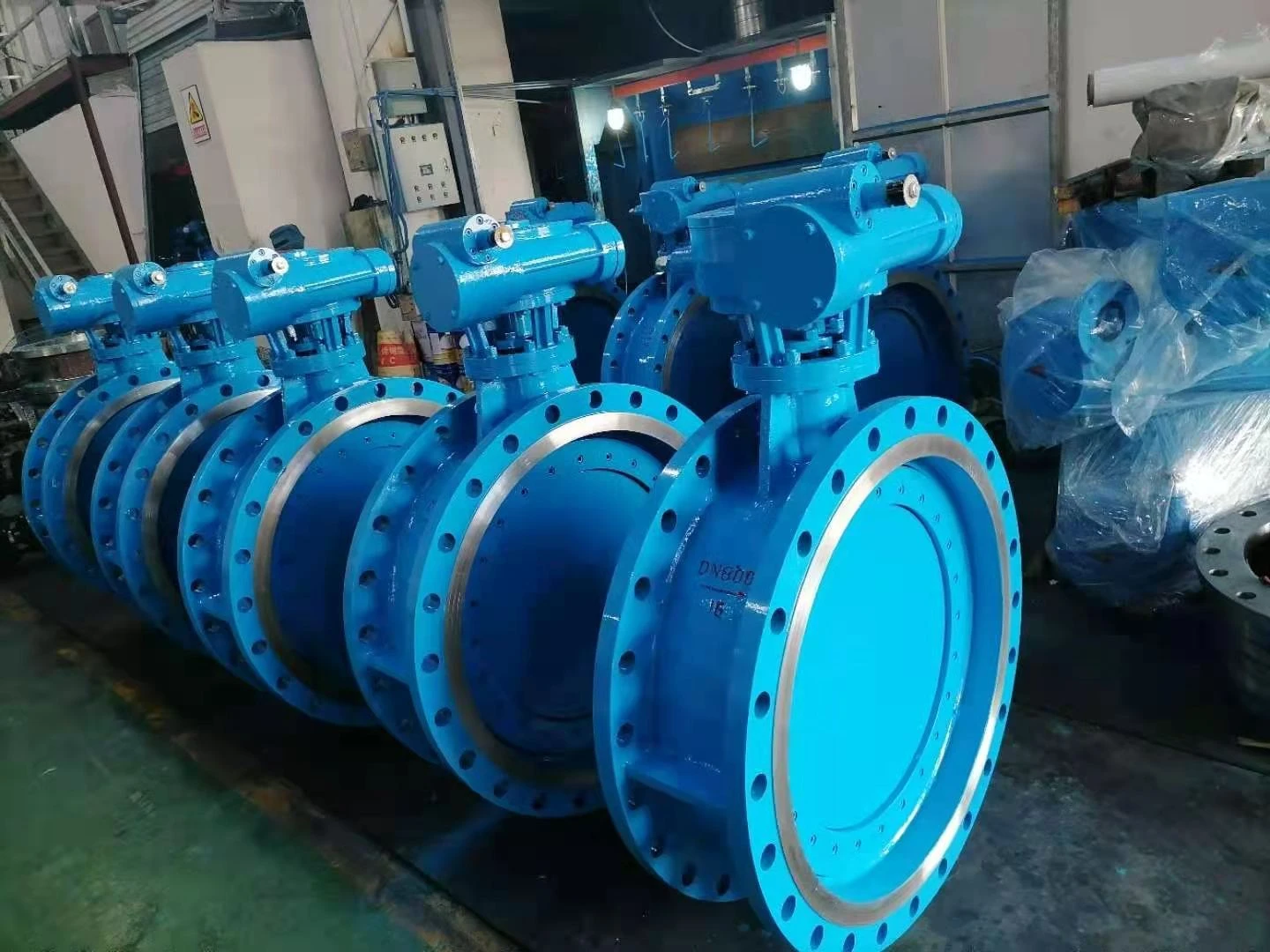
La Vanne à Papillon de 3 Pouces Un Élément Clé dans la Gestion des Fluides Dans l'univers de la plo

water valve gate
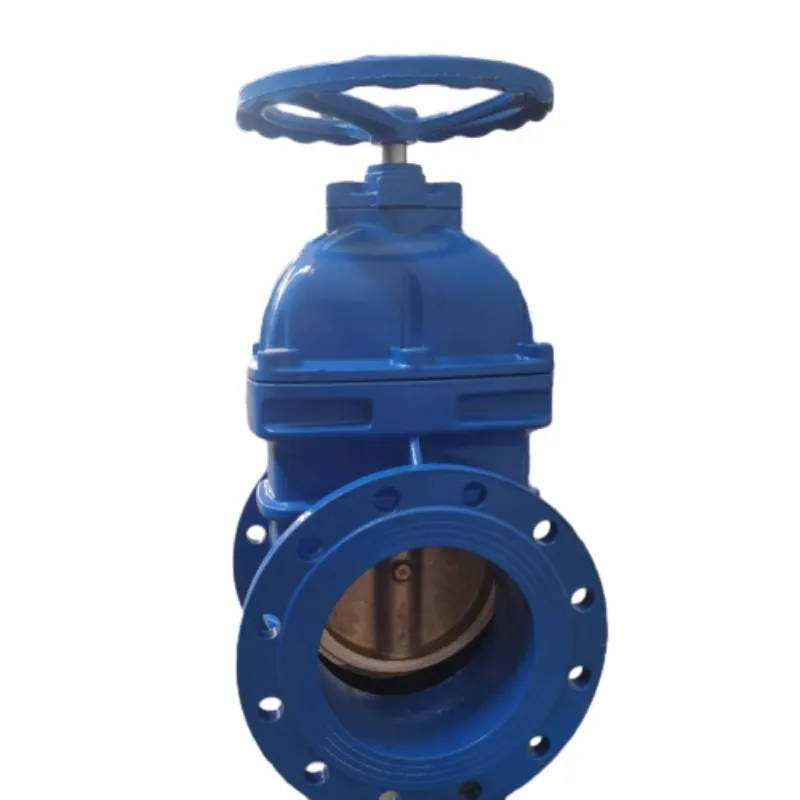
Understanding Water Valve Gates Their Functionality and Importance Water management is critical in v
Versatile Large Metal Strainer for Efficient Kitchen Tasks and Food Preparation Needs
The Benefits and Versatility of Large Metal Strainers In the culinary world, the tools we use can si
 English